
Domenic Gallippi
Mortgage Agent Level 2 - M23007938
domenic@bettermortgagesbydom.ca
Tel: 416-801-6616 | Cell: 416-801-6616
Domenic Gallippi
Mortgage Agent Level 2 - M23007938
domenic@bettermortgagesbydom.ca
Tel: 416-801-6616 | Cell: 416-801-6616
Over the last several years, Canada’s relationship with China has been mostly on pause. That pause wasn’t accidental. It came after serious concerns around security, human rights, and trust.
Recently, it looks like Canada is starting to rebuild or restart that relationship.
I’ll be honest — I don’t love wading into political topics (at least not thru my business channels). And personally, I have reservations about reopening ties with China.
That said, I do understand why the government is choosing this path.
Canada’s relationship with the United States has changed. Trade is less predictable, certain sectors of our economy are struggling, and growth feels more fragile than it used to. China is a massive economy, and in theory, stronger ties could help Canada in both the short and long term.
But understanding why the government is doing this doesn’t mean we shouldn’t talk about the risks — especially when it comes to housing.
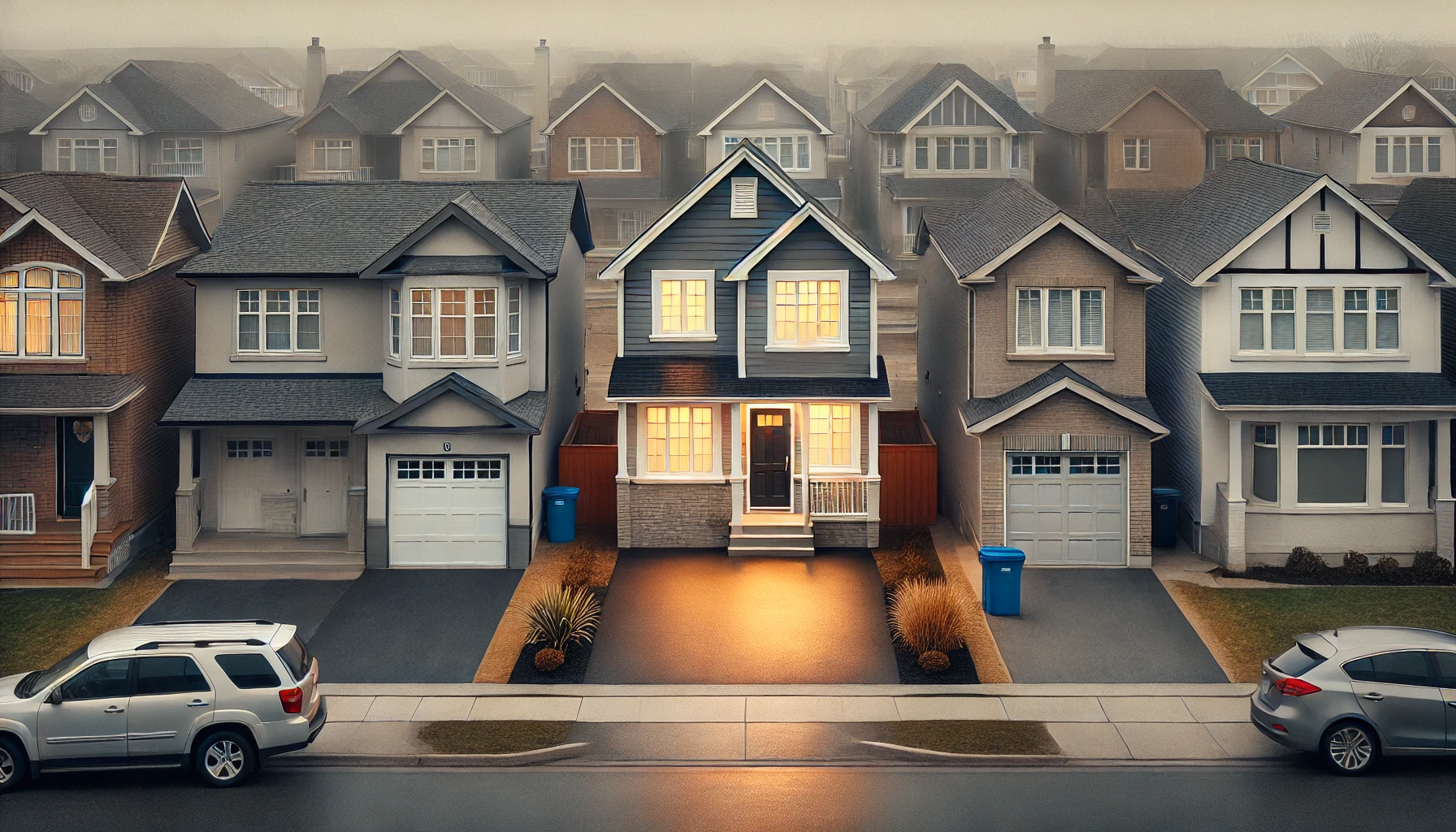
As someone in the mortgage industry for a long time, housing isn’t an abstract topic for me. I ‘ve seen how policies and economic decisions show up in real people’s lives — in affordability, stress, and financial stability.
And this is where we need to be careful.
There are two major housing risks we can’t ignore if Canada reopens its relationship with China.

In the past, closer ties with China coincided with:
weak rules around foreign buyers
poor oversight of where money was coming from
uneven lending standards
limited enforcement around money laundering
The result?
Housing prices rose quickly in places like Vancouver and later Toronto — not because local incomes were rising, but because outside money (which was not subject to the same lending rules and scrutiny) was bidding up prices.
Even though foreign buyers made up a small share of purchases (and that's what all the defenders will say), they were active at the edges of the market, where prices are set. That pushed prices higher for everyone else.
Average Canadians paid the price:
affordability worsened
household debt increased
homeownership moved further out of reach
We are still dealing with the fallout today.
Banks weren’t breaking the rules — but the rules were not the same for everyone.
From the inside, it was also clear why banks liked this business:
deals were large
default risk appeared low
files were easier
volumes were strong
performance numbers looked great
There was no natural incentive for banks to stop.
In my view, this only changed when regulators eventually recognized what was happening and stepped in.
That’s an important lesson — because if rules are loosened again in the future due to economic or political pressure, the same behavior will return.
That doesn’t mean we should never trade with China — but it does mean we can’t pretend housing won’t be affected if capital starts flowing freely again.
The second risk may be even bigger.
No matter what happens with China, the United States is still Canada’s most important economic partner.
If closer ties with China:
strain our relationship with the U.S.
reduce trade
slow investment
or create economic uncertainty
That would directly affect:
jobs
wages
business confidence
And housing is extremely sensitive to all of that.
If the economy stagnates or jobs become unstable:
Canadians can afford less
builders pull back
housing starts slow down
affordability gets worse — even if prices don’t crash
In other words, a damaged U.S. relationship could hurt housing even more than foreign buying ever did.
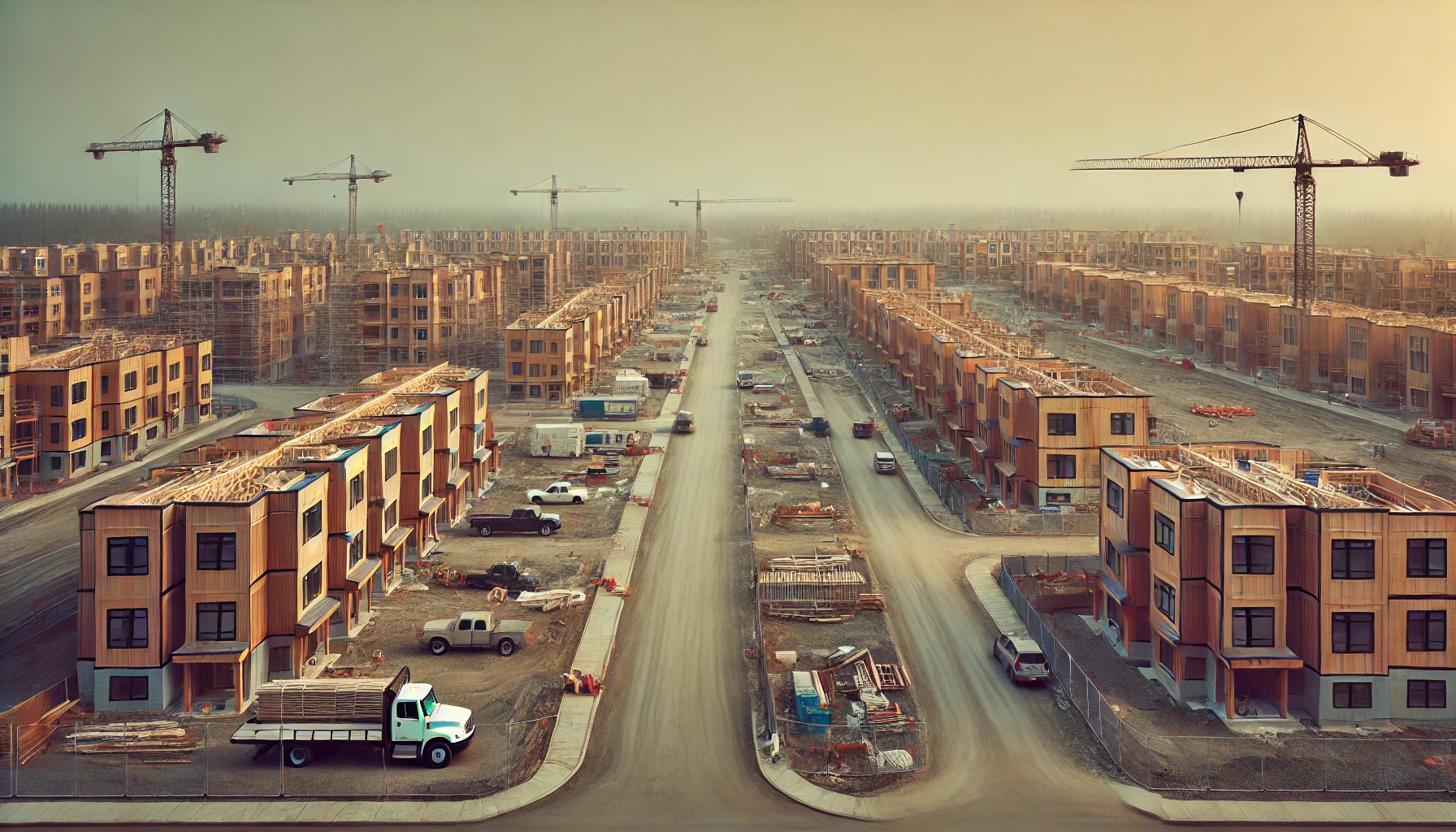
This isn’t a simple “yes or no” decision.
China is a large economy and could help Canada in certain areas. But housing is fragile, supply is already tight, and affordability is stretched.
We can’t afford:
lax rules
uneven lending standards for foreign buyers that advantage them above Canadians
or policies that repeat past mistakes
And we also can’t afford to:
weaken our relationship with the U.S.
or risk economic stagnation that would make housing even less affordable
Canada may choose to rebuild its relationship with China. That decision may be driven by real economic pressures.
But housing must be part of the conversation — not an afterthought.
We haven’t recovered from the last housing shock.
We can’t absorb another one.
If we move forward, we need:
strong and consistent rules
equal treatment for all buyers
transparency around capital flows
and a clear focus on protecting affordability
This isn’t about politics.
It’s about learning from experience — and not repeating the same mistakes.
Ready to discuss your home ownership goals and a Better Mortgage by Dom?
Call/text: 416 801-6616. Email: Domenic@BetterMortgagesByDom.ca
Connect/Follow me: Facebook, Instagram, X (formerly Twitter), LinkedIn
Download my app - featuring premium interactive tools, calculators, and illustrators for smart planning and real-time rate updates
Please share with anyone that you think can benefit from my help - all introductions are greatly appreciated!